Meal 115: Montenegro

While the language, culture, and some of the food of this little seaside country are definitely Slavic, the food of Montenegro evinces a strong Italian influence. It's the consequence of centuries under Venetian rule and influence, plus the lingering effect of being a hop across the Adriatic from the boot of Italy. The result is a cuisine that is both high in milkfat but that also has a place for delicate flavors. Really, it was quite delicious. Ellenby Ellenby Ellenby Ellenby Elizabeth Elizabeth +1 Tink Tink +1 Kristin Winslow Ana DLR Ana DLR +1 Anna Marti Anna Marti +1 Anna Sagatelova

Our guests were the Ellenby family, Elizabeth, Tink, Kristin, Miguel, Ana, Anna, Anna, and friends.

Sok od Šipka | Pomegranate juice

Across much of Montenegro, wild pomegranates grow abundantly, and families press the juice and boil it down to syrup for use all year long.

Pomegranate juice is a fantastic example of the huge price differential you can find when shopping at an ethnic market. I found a three liter jar of the pure juice for $9 at the Russian market; you’d be lucky to buy a liter for that price at your local supermarket. Since it was already at drinking strength, it seemed silly to boil it down just to reconstitute it, so we enjoyed it straight.

Appetizer spread
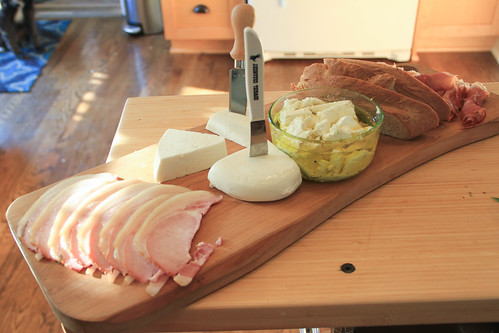
In browsing various descriptions of Montenegrin food, just about all of them talked of a good meal starting with preserved meats and various cheeses. Unfortunately, I just couldn’t find the specific meat items they called for (in particular, a local variation of prosciutto), and the descriptions of the cheeses were quite vague. So I did my best and bought some stuff that looked good from the counter of the Russian market. Surprisingly, the most popular component was a generic-looking cheese that was sliced as a wedge from a hefty round; it was kind of in the direction of a queso fresco, but a bit firmer, and a bit squeaky on the tongue.

Pogača | Rustic bread | Recipe

A rich bread for a rich meal! Note how all the liquid comes from animal products, there’s not a drop of water in the dough. With all that lactose, it’s a quick riser, so there’s not a ton of flavor development from the yeast. But this bread has a solid crumb that’s equally good with cold cuts as well as soup.

Raštan | Collards | Recipe

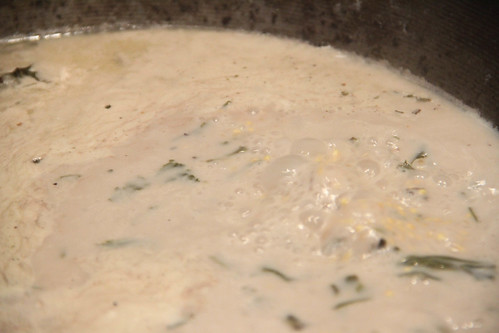
With all the heavy meat and dairy in the rest of the meal, thank goodness there's a common dish of greens to provide a bit of balance. I made them without the pork because we had some non-red-meat eaters, but it was still nice. I like the bit of flour in there to make it a bit saucy, too.

Brav u Mlijeku | Lamb in milk | Recipe

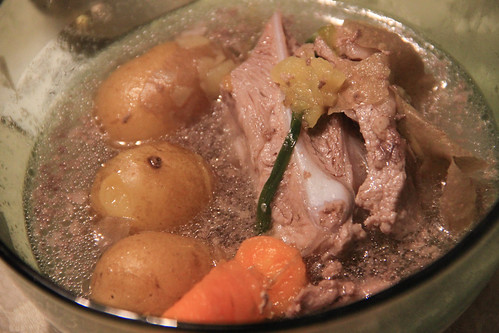
What a happy accident! Since I ran out of stovetop space, I put the pot of lamb chunks in a milk bath into a low oven, left it uncovered, and then kinda forgot about it until the smell was irresistible. The milk got really thick, and the lamb got really soft, so it was all one great, smooth mess of a really dense and spectacularly tasty dish. Delicious as it was, I'm not confident I actually made it Montenegrin-style — while I heard many mentions of lamb in milk, details on the preparation were few, so I turned to this recipe from nearby Italy instead. Any leads, my friends?

Riblja čorba | Fish soup | Recipe
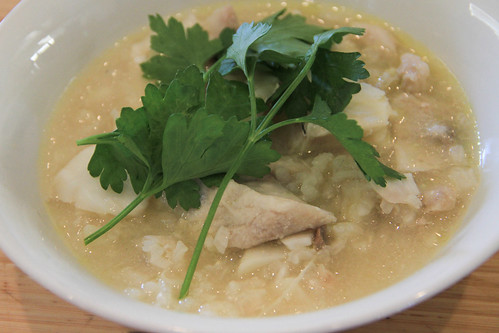
So simple, so tasty. It hardly requires a recipe: simmer fish with some vegetables and garlic, strain it and remove fish, cook rice with olive oil in the broth, put fish back in. Despite the lack of any exotic ingredients or flavor combinations, as long as you’ve got good fish (in this case, rockfish and black cod from the farmers market), you’ve got a great soup.

Smočani kačamak | Fatty porridge | Recipe
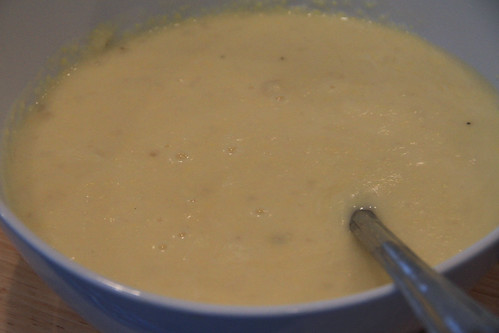
Can’t decide between polenta and mashed potatoes? Well, how about both, mixed with a hefty dose of sour cream plus some cheese! It was really tasty and extremely unnecessary given how much other rich food we had. Everyone ate it anyway, because it’s as yummy as it sounds.

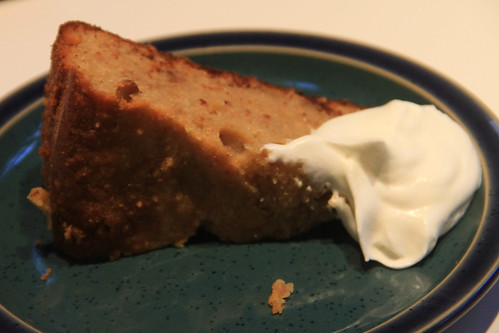
Pomegranate sorbet | Recipe
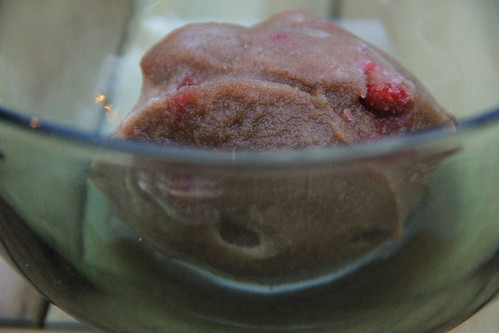
Probably the most appropriate way to enjoy Montenegro’s most representative fruit would have been to simply peel and eat, but they were out of season. Given the Italian culinary influence, I figured a sorbet would be appropriate. It’s hard to tell if this is something they’d actually eat in Montenegro, but it was a delicious and light conclusion to an otherwise heavy meal.
Meal 114: Mozambique

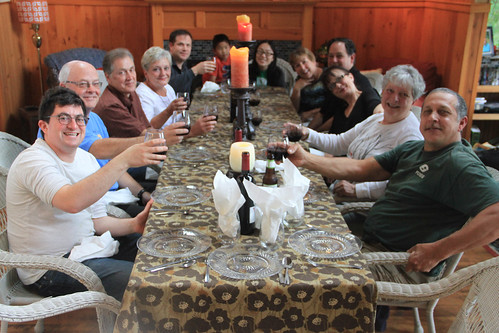
Wherever the Portuguese colonized, the exchange of ingredients and dishes was intense. Mozambique's spicy grilled chicken spread throughout the empire, becoming beloved from Lisbon to Goa, while bread is still baked everywhere throughout the Southern African country. I was also struck by how, even though the country is halfway around the world, this was one of the easiest meals to shop for, as every ingredient is available at a standard American supermarket. This was our second Nosh at Laura's parents' place on Anderson Island in Washington's South Puget Sound. Friends from around the island joined the table.

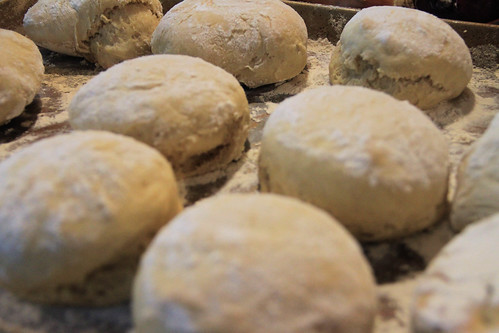
Pão | Rolls | Recipe

A fairly simple, moderately crusty, hamburger-bun-sized roll with a generous dusting of flour. If I'd had access to a wood-burning oven I imagine there'd have been a nice faintly smoky flavor, but as it was these were nice enough. There were many varieties of the recipe, and on a whim I went with the one that has you make a sponge with a bit of molasses before building up the bulk of the dough. We enjoyed them, but frankly I probably could have let them rise a tad longer (perhaps an extra 20 minutes after shaping), and the insides were a tad bit gummy so I should have baked them an extra few minutes.

Salada de abacate e pêssago | Avocado and peach salad

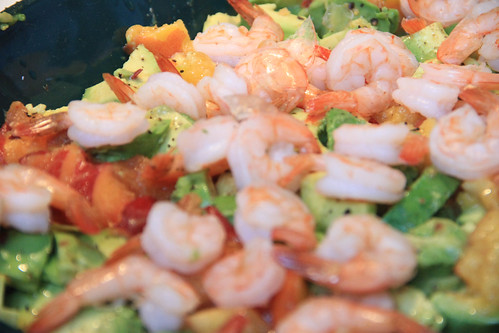
It surprised me to learn that stone fruit from deciduous trees, like peaches, can grow in tropical climates. What's more, it turns out that peaches pair quite nicely with avocados. Especially with the help of a little lemon juice, there's a nice blend of flavors and textures. I don't have a recipe to link to since I threw this together at the last minute based on what I kind of remembered from other recipes, and then right before serving I decided to toss on top some cooked shrimp left over from the matapa.

Molho de piri-piri | Hot sauce

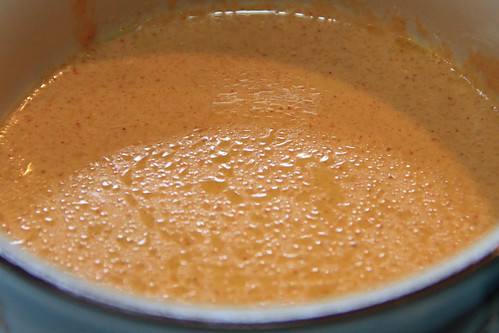
Piri-piri is the name of a particularly fiery small chili pepper also known as the African bird's eye chili. It's best known as the core ingredient of a hot sauce of the same name. While there are as many recipes as people who make it, I followed the basic instructions at the bottom of the matapa recipe: chili, lemon, garlic, olive oil, and salt. It's an infinitely flexible sauce, just add more or less of any ingredient as you like.

I was kicking myself because I bought powdered piri-piri pepper in South Africa with the express purpose of using it for this meal, but left it right by the front door at home. But I used plain ol' cayenne pepper, and it worked great, which bodes well for everyday home cooks.

Galinha á cafreal | Spicy grilled chicken | Recipe

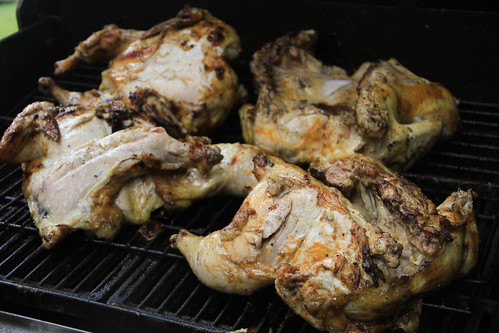
The recipe's simple enough to write in a tweet: break apart a chicken; marinate with oil, salt, pepper, and piri-piri sauce; grill; baste every so often; eat. You can spatchcock the chicken, which looks super impressive but takes a good while to cook (keep your thermometer handy and check that thigh joint); for faster grilling, use pieces.

My friends, this was just delicious. Thanks to a few hours of marinating, plus being cooked just about whole, it was so succulent. The hot sauce contributed a fantastic medley of flavors, and the long cooking led it to caramelize a bit and just wow.

Matapa | Greens and ground peanuts with prawns | Recipe

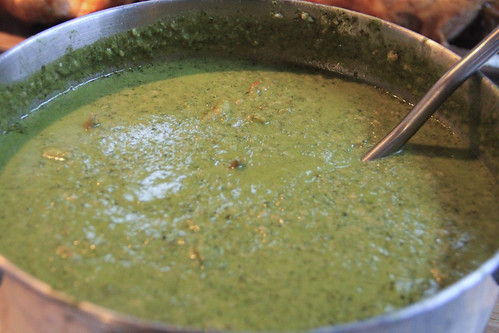
I've made a lot of African green sauce. Until now, it's been tolerable at best. This time it was so good people were taking home leftovers.

The most notable difference was that instead of using frozen cassava leaves, I used fresh kale. The cassava leaves from the African market come in a solid block, and are bitter and dry. Having never seen or tasted the fresh version, I don't know how much of that is the nature of the leaves and how much was the consequence of being shipped frozen from another continent.

Anyway, this preparation, with fresh greens, was really pretty good. The most clever part is making a broth from the shrimp shells, which you then use to cook the blended kale before adding the ground peanuts. Make sure to have a food processor on hand, doing the pureeing and grinding with a blender is really tedious as I discovered.

Bolo polana | Cashew and potato cake | Recipe

This is the first potato-based dessert I've ever seen! It works, and is rich and tasty, but man, is it dense. And between the cashew, butter, and all those egg yolks, it's quite a fatty marvel. This would work plenty well as a gluten-free cake, the flour in the recipe is an almost insignificant amount and could surely be replaced by any GF flour. Note that it took way longer than the specified 30–45 minutes for the middle of this cake to cook through for me.

Vinho | Wine

If you're a Mozambican wealthy enough to afford it, you might have a taste for Portuguese wine. So that's what we drank. Otherwise, (decent light) beer and (apparently low-quality) rum are the preferred alcoholic drinks.

Meal 113: Mongolia

To get one thing out of the way: Mongolian barbecue isn’t Mongolian. It was invented in Taiwan. So we didn’t make that.

Mongolia isn’t a good place for growing produce, so the cuisine barely has fruits or vegetables. For a bit of perspective, Mongolians following a traditional diet get their Vitamin C from organ meat, and at least one guidebook recommends that vegetarians bring whatever food they may need into the country. Instead, animals, especially sheep but also camels, yaks, cattle, horses and more, turn the grasslands into meat and milk, and grains and spices can be acquired through trade, and that’s the basis of the food of Mongolia.

While I was super excited about trying out a novel cooking technique (see below!), I didn’t have high hopes for how things would taste. Well, my low expectations were certainly exceeded!

Our guests included Kristen, Marcia, Jeffery, Jeremy and his parents visiting from France, Wayne, Robert, Anya, Laure, and Jonathan.

Airag | Fermented horse milk

The most distinctive component of Mongolian cuisine is a mildly alcoholic drink made of mare’s milk. The milk has to be fermented because in its pure state it has an indigestibly high amount of lactose. For months Wayne and I were keeping our eyes peeled for some raw milk to ferment, and even came close to finding sources on a few occasions, but then our mutual friend Deena reminded us that we ran an unquantifiable but certainly real risk of things going wrong and turning into poison. So we held off, and instead had the closest thing you can find in a supermarket: kefir.

Suutei tsai | Millet tea | Description

It’s kinda like a bizarro bubble tea, but with little millet grains taking the place of tapioca, green tea leaves just floating around as a hazard to avoid swallowing, and also a pinch of salt to make this a definitely savory concoction. Despite the challenge of filtering the leaves through teeth, it was surprisingly nice beverage-ish thing, and definitely comforting.

Horhog | Stone-boiled lamb stew | Recipe

https://www.instagram.com/p/BEkETT0NEBK/

Oh man, was this ever fun. I’ve read about various cultures around the world using fire-heated stones to boil water, and now I’ve done it!

The first step was to collect the river stones to be heated, which I did down near the mouth of the Sandy River. (Apparently this wasn’t the smartest thing to do, because volcanic rocks like these have air pockets that can lead to explosions. Thankfully that didn’t happen.) Then I got a roaring fire going in my barbecue, and let the rocks heat up for a whole hour until they got coated in ash and were nearly glowing. In the meantime I got a whole bunch of water boiling, since I had no idea if the rocks would provide enough heat to fully cook through many pounds of thick cuts of bone-on lamb.

Then the fun began, alternating meat and rocks in the pot. The water boiled violently and steamed abundantly with every rock I added, and as the amount of meat in the pot increased, so did the foam that erupted. I tossed a modest number of vegetables and seasonings on top, leaving the big ol’ pot sitting on the porch, and an hour and a half later everything was still very hot, and the meat cooked through and even a bit tender. Success!

Following the recipe, every guest held a rock in their hands to receive the warmth (and to get a good moisturizing from the residual lamb fat!). And then we tucked into the stew, which was really quite tasty. Did the rocks contribute any of the flavor? I’m not sure, but they sure made the dish memorable and fun.

Buuz | Dumplings | Recipe

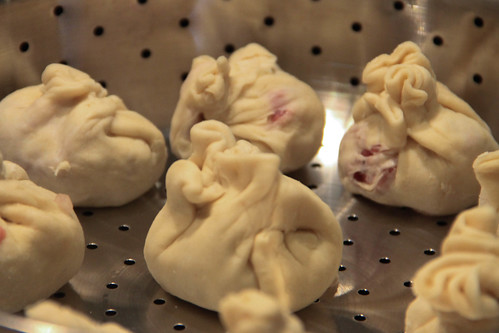
Compared to the stew, the dumplings were fairly straightforward, but nonetheless delicious. While I could have used ground beef, I decided to follow the suggestion to chop it finely, which took a lot of time but afforded a much nicer texture. While the ingredients were again simple, this was another surprisingly tasty dish. Perhaps this was thanks to the high-quality lamb I bought!

A huge thanks to Kristen, who came early to roll out and stuff them!

Boortsog | Fried cookies | Recipe

This isn’t the first dessert I’ve had with animal fat — lard is a traditional component of pie crust, after all — but it’s certainly the first with lamb fat. I trimmed it from the meat from the other dishes, slowly rendered it in simmering water, and then used it as the medium for frying up lozenges of sweet dough. As an accompaniment we had jam and clotted cream, which went surprisingly well with the musty-sweet lamb-cookies. (I tried making a form of cheese, but I failed to get the milk to curd properly. Oh well.)

Meal 112: Monaco

Another beachside birthday party, another meal from a tiny, rich European country! The principality of Monaco is a Central Park–sized nugget on the French Riviera, whose Italian-sounding name is a giveaway of a linguistic, cultural, and culinary heritage that’s more closely connected to northern Italy than southern France.

For such a small place, there’s a surprisingly thorough culinary heritage, which is far better documented online than those of countries several orders of magnitude larger. Of course, it’s squarely within the Mediterranean flavor realm, though with its own twist.

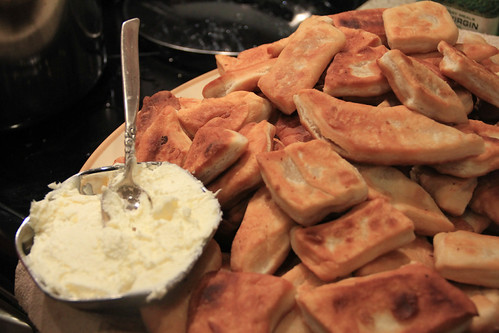
Barbagiuan | Chard turnovers | Recipe

Nobody knows why these are called “Uncle John” in the Monégasque language, but these tasty, stuffed-dough, fried nuggets are the national dish. They’re stuffed with chard, which almost makes you think they’re healthy. Quite tasty, a great accompaniment to sparkling wine or rosé. Thanks to Ellen for prepping and folding the dough!

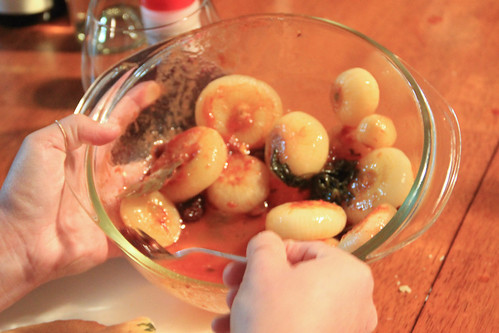
Oignons monégasques | Stewed baby onions | Recipe

This one was the crowd favorite. Small onions — you should probably use pearl onions but all I could find were little cipollini, which seemed to work too — are first sautéed, then gussied up with tomato paste, vinegar, and, intriguingly, raisins. A delicious sweet-and-sour appetizer.

Socca | Chickpea flatbread | Recipe

I’m figuring it’s a North African influence that brought chickpea flour to this corner of the world. With it,street vendors in the area whip up a sort of crêpe that’s eaten as a snack. Frankly, I found it pretty bland and thin, and I clearly did something wrong because I then had it at a restaurant and it was thicker and fluffier and a whole lot better. Also, I left the big heavy round skillet I used to bake them at the rental house, so it was frankly a doubly disappointing dish. (Maybe choose a different recipe to avoid my fate, but even that won't help you keep track of your cookware.)

Fougasse | Focaccia bread | Recipe

The fougasse for which Monaco is known is actually a dessert covered with sprinkles and studded with various dried fruits and spices like fennel. I didn't make that. Instead, I made this lovely herb-y bread, which all went very quickly toward sopping up the onion sauce.

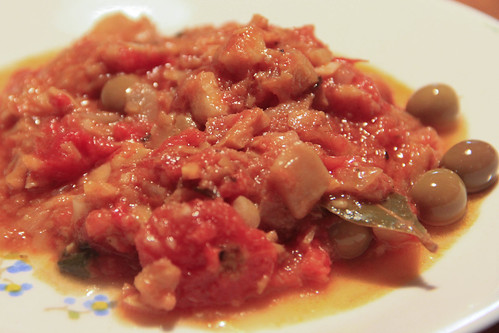
Stocafi | Salt cod stew | Recipe (scroll to "Le Stockfish")

I saw a few different variations on the name, but all are local adaptations of the English work stockfish, which itself is a misinterpretation of the Scandinavian term for white fish dried on a stick. It’s not even true stockfish that’s used, but rather bacalao, or salt cod. (Stockfish traditionally has no salt, it’s purely the passing wind that dries the fish-on-a-stick into eternal preservation.)

Anyway, stocafi is a seafood stew with a very Provençal assortment of ingredients: tomatoes, olives, potatoes, plenty of garlic, and a generous dose of olive oil. The dish was nice, though nothing special. We didn’t do the optional anchovy-garlic-basil puree at the end, perhaps we ought to have.

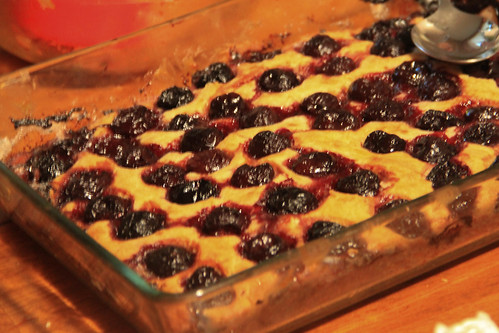
Pogne au fruits | Fruit cake | Recipe (scroll to "Le pogne au fruits")

Laura wanted cherries, so cherries she got. This is a fairly simple dessert, just fruits pressed into a fairly rich flat yeasted dough. And tasty!

Meal 111: Micronesia

At 1 million square miles with only 100,000-ish people, the Federated States of Micronesia is both huge and tiny. (Obviously, almost all of that square mileage is ocean.) As with much of the rest of the Pacific islands, the traditional bland starches and simply cooked fish aren't the most stimulating cuisine. Micronesians have swung the pendulum far to the other side, with some really intense and novel uses of imported flavors. (Read below for what they do with ramen and Kool-Aid.)

There's precious little about Micronesian cuisine online. The two most useful sources I found were a few posts from this teacher's blog for traditional foods, and this astonishing account of some of the uses of modern foods on the island of Chuuk.

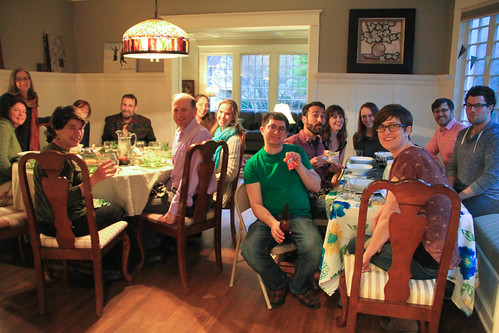
Along for the adventure were Emily, Jens, Molly, Will, Caitlin, Trish, Amy, Jordana, David, Michele, Emily, and guests.

Ramen snack "Recipe"

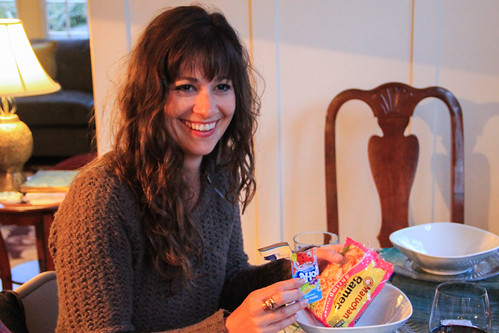
When I first saw that a common snack in Micronesia is dry ramen with its seasoning packet plus Kool-Aid, I thought it might have just been one person's crazy idea. But I read plenty more about the abundance of Kool-Aid, especially consumed in dry form, well, we had to try it. We tried various combinations: pork ramen with cherry Kool-Aid was best, and shrimp with tropical fruit was definitely the worst.

Kosrae soup

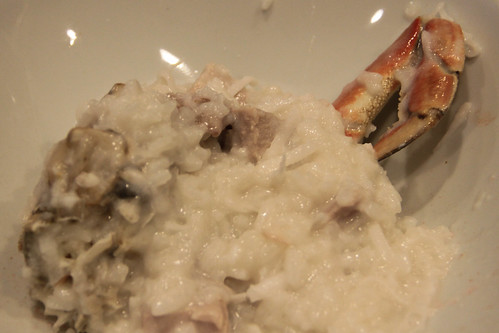
The island of Kosrae, where our friend Nathan did Peace Corps, is famous, at least throughout Micronesia, for its Sunday Soup. Below is a recipe, as given by LeiviaChenisa Situl in response to a Facebook post of Nathan's. You'll note from the photo that I included crab, because I saw clarified elsewhere that shellfish would work, and the crab was fresh at the market. Despite the simplicity, it was really quite flavorful.

Simple recipe. Boil your h2o first,bring up to boil then add the fish more better with bone for flavor for about 10-15 minutes and take fish out,make sure no bones in the stock and add on your uncooked rice cook all the way till rice cook and add on onions and salt and pepper and the last thing is coconut milk.

Recipe

Half pot Fill 3/4 of the pot Fish- half fish or any meat 2 can coconut milk 1 onion salt n pepper with taste

Yapese taro salad

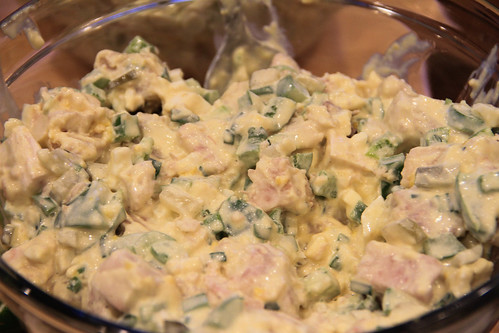
Picture a mayonnaise-based potato salad, but instead of potatoes, it's chunks of boiled purple taro. Pretty tasty, and the taro has a fun texture.

Rohtamah and kon | Pounded taro and pounded breadfruit with coconut milk | Description

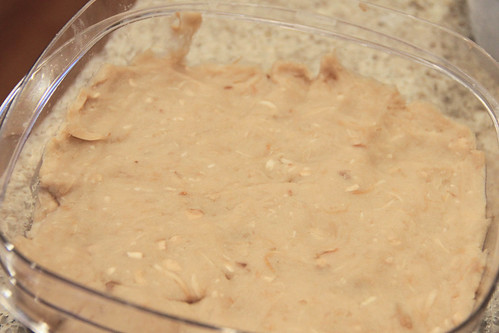
The pounded taro with sugar and coconut milk, not pictured, was fine. The pounded breadfruit, pictured before being covered with coconut milk, was not. Never having had fresh breadfruit, I don't know if the overwhelmind blandness and mouth-drying texture came from being deep-frozen and potentially mishandled en route, or if breadfruit really is that unappealing. In any event, no more frozen breadfruit for me.

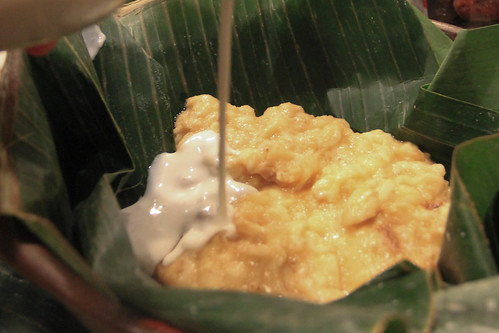
Sukusuk | Pounded banana with coconut milk

Straightforward and tasty, though yes, it's yet another mushy thing covered in coconut milk. The banana leaf made for a little variety in presentation.